
Millions of patients require surgical procedures or experience injuries annually, yet often receive minimal guidance regarding dietary support for optimal recovery processes.
Effective wound healing is intrinsically linked to proper nutrition, emphasizing the vital roles of protein, vitamins A and C, zinc, omega-3 fatty acids, iron, and hydration.
The global wound healing nutrition market is poised for substantial expansion in the coming decade, fueled by increasing demand for advanced nutritional interventions.
Understanding the connection between nutrition and healing is paramount, as adequate intake of key nutrients directly supports the body’s natural restorative capabilities.
The Critical Link Between Diet and Recovery
The body’s ability to repair tissues and overcome injury is profoundly influenced by nutritional status; a deficiency in essential nutrients can significantly impede the healing process, prolonging recovery times and increasing the risk of complications.
Protein, vitamins C and A, zinc, and omega-3 fatty acids are particularly crucial, each playing distinct roles in collagen synthesis, immune function, and reducing inflammation – all vital components of effective wound repair.
Adequate calorie intake is also paramount, providing the energy needed to fuel the metabolically demanding processes of tissue regeneration and immune response. Without sufficient energy, the body may struggle to prioritize healing.
Furthermore, proper hydration ensures optimal cellular function and nutrient delivery to the wound site, facilitating the complex cascade of events necessary for complete recovery. Ignoring these nutritional needs can lead to slow healing and increased susceptibility to infection.
Ultimately, a well-balanced diet tailored to individual needs is a cornerstone of successful recovery from wounds and surgeries.
The Growing Wound Healing Nutrition Market
The global wound healing nutrition market is experiencing robust growth, projected to expand significantly over the next decade, driven by an increasing awareness of the critical role nutrition plays in recovery from injuries and surgical procedures.
Demand for advanced nutritional products specifically formulated to support wound healing is rising, fueled by an aging population, a growing prevalence of chronic diseases like diabetes, and increasing numbers of surgical interventions.
Key market drivers include the development of innovative formulations containing targeted nutrients, such as specialized protein blends, vitamin complexes, and omega-3 fatty acids, designed to optimize tissue repair.
Furthermore, healthcare professionals are increasingly recognizing the cost-effectiveness of preventative nutritional strategies in reducing wound complications and shortening hospital stays, boosting market adoption.
This expanding market reflects a paradigm shift towards proactive, nutrition-focused approaches to wound care, emphasizing the importance of optimizing patient outcomes through targeted dietary interventions.

Macronutrients for Wound Healing
Protein, carbohydrates, and fats are essential macronutrients that provide the building blocks and energy needed to support the complex processes of tissue repair and recovery.
Adequate intake of these macronutrients is crucial for optimizing wound healing outcomes and ensuring the body has the resources to rebuild damaged tissues effectively.
The Role of Protein in Tissue Repair
Protein stands as a cornerstone of wound healing, playing an absolutely critical role in every phase of the recovery process. It serves as the fundamental building block for new tissues, including collagen, which provides structural integrity to the healing wound.
Insufficient protein intake can significantly impair the body’s ability to repair damaged tissues, leading to delayed healing and increased risk of complications. Protein aids in the formation of new skin cells, immune cells, and antibodies, all vital for fighting infection and promoting tissue regeneration.
The process of wound healing is catabolic, meaning the body breaks down tissues, and protein helps counteract this by providing the necessary amino acids for rebuilding. It’s essential to consume enough protein to meet the increased demands during wound recovery, ensuring optimal tissue repair and a faster return to health.
Importance of Carbohydrates for Energy
Carbohydrates are the body’s primary source of energy, and their role in wound healing is often underestimated. The healing process is metabolically demanding, requiring significantly more energy than normal physiological functions. Without adequate carbohydrate intake, the body may break down protein for energy, hindering tissue repair.
Sufficient carbohydrate consumption spares protein, allowing it to be utilized specifically for tissue building and immune function. Complex carbohydrates, found in whole grains, fruits, and vegetables, provide a sustained release of energy, supporting the prolonged energy needs of wound healing.
Maintaining stable blood glucose levels through consistent carbohydrate intake is also crucial, as fluctuations can impair immune cell activity and delay the healing process. Prioritizing nutrient-rich carbohydrate sources ensures optimal energy provision for effective wound recovery;
Fats: Supporting Cell Function and Reducing Inflammation
Dietary fats are essential for numerous cellular processes involved in wound healing, extending beyond simply providing energy. They are integral components of cell membranes, influencing cell signaling and nutrient transport, both vital for tissue repair and regeneration.
Specifically, omega-3 fatty acids, found in sources like fatty fish and flaxseeds, possess potent anti-inflammatory properties. Chronic inflammation can impede wound healing, and omega-3s help modulate the inflammatory response, creating a more favorable environment for tissue reconstruction.
Adequate fat intake also supports the absorption of fat-soluble vitamins (A, D, E, and K), all of which play crucial roles in immune function and collagen synthesis. However, prioritizing healthy fats over saturated and trans fats is key to optimizing their beneficial effects on wound healing.

Micronutrients Essential for Wound Healing

Vitamins C and A, alongside zinc and iron, are critical micronutrients that significantly bolster the body’s natural wound-repair mechanisms and immune responses.
These nutrients actively participate in collagen formation, antioxidant protection, epithelialization, oxygen transport, and overall tissue growth during recovery.
Vitamin C: Collagen Synthesis and Antioxidant Protection
Vitamin C plays a pivotal role in wound healing, primarily due to its essential function in collagen synthesis – a crucial protein providing structure and strength to newly formed tissues.
Collagen is the most abundant protein in the body, and its production is severely hampered without sufficient Vitamin C levels, leading to delayed wound closure and weakened tissue integrity.
Beyond collagen synthesis, Vitamin C acts as a potent antioxidant, protecting cells from damage caused by free radicals generated during the inflammatory phase of wound healing.
This antioxidant property helps minimize oxidative stress, promoting a healthier healing environment and reducing the risk of complications.
Adequate Vitamin C intake supports immune cell function, further enhancing the body’s ability to fight infection and accelerate the healing process.
Consuming foods rich in Vitamin C, such as citrus fruits, berries, and peppers, is vital for optimal wound recovery.
Vitamin A: Promoting Epithelialization

Vitamin A is critically important for wound healing, specifically in the process of epithelialization – the formation of new skin cells that cover the wound surface.
This vitamin stimulates the growth and differentiation of epithelial cells, accelerating wound closure and reducing the risk of infection by creating a protective barrier.
Furthermore, Vitamin A enhances the inflammatory response, which, while often perceived negatively, is a necessary initial step in the healing cascade, clearing debris and signaling repair.

It also supports collagen synthesis, working synergistically with Vitamin C to build strong, resilient tissue.
However, it’s crucial to maintain appropriate Vitamin A levels, as excessive intake can actually hinder healing and lead to other health issues.
Sources of Vitamin A include liver, sweet potatoes, carrots, and dark leafy green vegetables, contributing to optimal wound recovery.
Zinc: Immune Function and Collagen Formation
Zinc plays a multifaceted role in wound healing, acting as a crucial component for both a robust immune response and the synthesis of collagen, the primary structural protein of skin.
Adequate zinc levels are essential for immune cell function, protecting the wound site from infection and promoting a controlled inflammatory response necessary for repair.
Moreover, zinc is directly involved in collagen synthesis, contributing to the strength and integrity of newly formed tissue, accelerating wound closure.
It also supports cell proliferation and migration, vital processes for rebuilding damaged skin.
Deficiency in zinc can significantly impair wound healing, leading to prolonged inflammation, increased risk of infection, and weakened tissue formation.
Good sources of zinc include meat, poultry, seafood, beans, and nuts, ensuring sufficient intake for optimal recovery.
Iron: Oxygen Transport and Tissue Growth
Iron is fundamentally important in wound healing due to its central role in oxygen transport via hemoglobin within red blood cells, delivering vital oxygen to healing tissues.
Oxygen is critical for collagen synthesis, angiogenesis (new blood vessel formation), and the energy production required for cellular repair and proliferation.
Insufficient iron levels can lead to anemia, reducing oxygen delivery and significantly impairing the wound healing process, resulting in delayed closure and increased susceptibility to infection.
Furthermore, iron is a cofactor for enzymes involved in collagen synthesis and DNA replication, both essential for tissue growth and repair.
Dietary sources of iron include red meat, poultry, fish, beans, and fortified cereals, ensuring adequate intake to support optimal wound healing outcomes.
Maintaining appropriate iron status is therefore crucial for efficient tissue regeneration and a successful recovery.

Hydration and Wound Healing
Adequate fluid intake is paramount for wound healing, supporting circulation, nutrient delivery, and waste removal from damaged tissues, aiding recovery.
Electrolytes, obtained from fluids, play a crucial role in maintaining fluid balance and supporting cellular function during the healing process.
The Importance of Adequate Fluid Intake
Maintaining optimal hydration is absolutely critical throughout all phases of wound healing, often underestimated in patient care plans. Fluids are not merely about quenching thirst; they are fundamental to the physiological processes that underpin tissue repair and regeneration.
Water constitutes a significant portion of body tissues, and adequate intake ensures sufficient blood volume for efficient nutrient delivery to the wound site; This enhanced circulation facilitates the transport of oxygen, proteins, vitamins, and minerals essential for collagen synthesis, angiogenesis (new blood vessel formation), and immune cell activity.
Dehydration, conversely, can impede these processes, leading to delayed healing, increased risk of infection, and compromised tissue integrity. Sufficient fluid intake also aids in the removal of metabolic waste products generated during the healing response, preventing their accumulation and potential interference with tissue repair. Fluid comes from water and any other beverages.
Electrolytes and Their Role in Healing
Beyond simple hydration, maintaining electrolyte balance is paramount for successful wound healing. Electrolytes – including sodium, potassium, calcium, and magnesium – are crucial minerals that conduct electrical impulses throughout the body, regulating vital functions directly impacting tissue repair.
These minerals play key roles in cellular function, nerve transmission, and muscle contraction, all of which are essential for the complex processes involved in wound closure. For instance, sodium and potassium are vital for maintaining fluid balance within cells, influencing nutrient absorption and waste removal.
Calcium is critical for blood clotting and inflammatory responses, while magnesium supports protein synthesis and energy production. Imbalances in electrolytes can disrupt these processes, hindering healing and potentially leading to complications. Ensuring adequate electrolyte intake, often through a balanced diet or, when necessary, supplementation, is therefore a vital component of nutritional support for wound care.
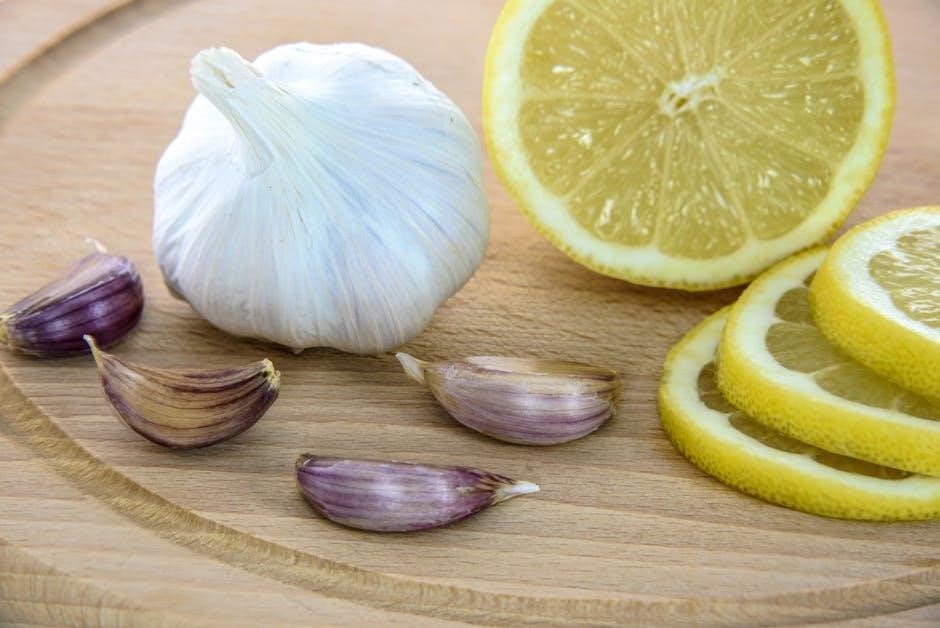
Specific Foods to Promote Wound Healing
Prioritize lean proteins for tissue building, alongside fruits and vegetables abundant in essential vitamins. Incorporate foods rich in omega-3 fatty acids to aid recovery.
Consuming these nutrient-dense options provides the building blocks and support needed for optimal wound repair and a faster healing process.
Lean Proteins for Tissue Building
Protein is undeniably crucial for wound healing, serving as the fundamental building block for tissue repair and regeneration. During the healing process, the body requires significantly increased protein intake to support the creation of new skin, muscle, and connective tissues.
Excellent sources of lean protein include chicken, turkey, fish, eggs, and beans. These options provide essential amino acids without excessive saturated fats. Adequate protein consumption ensures the body has the necessary resources to rebuild damaged tissues effectively.
Insufficient protein intake can severely hinder the healing process, leading to prolonged recovery times and increased risk of complications. Prioritizing lean protein sources is therefore a cornerstone of any nutritional plan designed to promote optimal wound healing.
Aim for consistent protein intake throughout the day to maintain a steady supply of amino acids for tissue repair.
Fruits and Vegetables Rich in Vitamins
Fruits and vegetables are powerhouses of vitamins essential for optimal wound healing, particularly Vitamin C and Vitamin A. These micronutrients play distinct, yet complementary, roles in supporting the body’s restorative processes.
Vitamin C is vital for collagen synthesis, a protein crucial for skin integrity and wound closure. Citrus fruits, berries, and peppers are excellent sources. Vitamin A promotes epithelialization, the process of new skin cell formation, aiding in wound coverage.
Dark leafy greens, sweet potatoes, and carrots are rich in Vitamin A. Consuming a colorful variety of fruits and vegetables ensures a broad spectrum of vitamins and antioxidants, further bolstering the healing response.
Prioritizing these nutrient-dense foods supports immune function and protects against oxidative stress, accelerating the healing timeline.
Foods Containing Omega-3 Fatty Acids
Omega-3 fatty acids are crucial components in supporting the wound healing process, primarily due to their potent anti-inflammatory properties. Chronic inflammation can significantly impede tissue repair and prolong recovery times.
These essential fats help modulate the inflammatory response, creating a more favorable environment for healing. Excellent sources include fatty fish like salmon, mackerel, and tuna, providing both EPA and DHA, the most beneficial types of omega-3s.
For individuals who do not consume fish, flaxseeds, chia seeds, and walnuts offer ALA, a precursor to EPA and DHA, though conversion rates can vary. Incorporating these foods into the diet supports cell function and reduces excessive inflammation.
Adequate omega-3 intake contributes to faster, more efficient wound closure and improved overall healing outcomes.
Wound Healing Stages and Nutritional Needs
Wound healing progresses through phases—hemostasis, proliferation, and remodeling—each with distinct nutritional demands to support tissue repair and overall recovery.
Nutritional support must adapt to these changing needs, ensuring adequate protein, vitamins, and minerals are available throughout the entire healing process.
Hemostasis and Inflammation Phase
The initial phase of wound healing, hemostasis and inflammation, is characterized by blood clotting and the recruitment of immune cells to the injury site. Nutritionally, this stage prioritizes controlling inflammation and providing the building blocks for subsequent repair.
While often perceived negatively, inflammation is a crucial component of healing, clearing debris and initiating tissue regeneration. Adequate protein intake is essential, providing amino acids for immune cell production and function.
Vitamin C, with its antioxidant properties, plays a vital role in protecting cells from oxidative stress during inflammation. Furthermore, sufficient hydration is paramount to maintain blood volume and facilitate nutrient delivery to the wound area. Focusing on anti-inflammatory foods can also be beneficial during this early stage.
Proliferation Phase: Increased Nutritional Demands
As the wound transitions into the proliferation phase, nutritional demands significantly increase to support the rapid growth of new tissue. This stage involves angiogenesis – the formation of new blood vessels – and collagen synthesis, requiring a substantial influx of nutrients.
Protein remains critically important, providing the amino acids necessary for building new tissues. Increased calorie intake is also essential to fuel the energy-intensive processes of cell proliferation and matrix formation.
Micronutrients like Vitamin A and Zinc become particularly vital, promoting epithelialization and collagen formation respectively. Adequate hydration continues to be crucial for nutrient transport and waste removal. Meeting these heightened nutritional needs is paramount for optimal wound closure and minimizing complications.
Remodeling Phase: Sustained Nutritional Support
The remodeling phase, the final stage of wound healing, is a prolonged process where collagen is reorganized and the wound gains strength. While nutritional demands aren’t as acutely elevated as in the proliferation phase, sustained nutritional support remains crucial for optimal outcomes;
Continued adequate protein intake is essential for collagen maturation and tensile strength development. Micronutrients, particularly Vitamin C, continue to play a role in collagen synthesis and antioxidant protection, safeguarding the newly formed tissue.
Maintaining sufficient hydration and electrolyte balance supports cellular function and overall tissue health. Consistent, balanced nutrition throughout this phase ensures the wound achieves maximum strength and functional recovery, minimizing the risk of re-injury or complications.
Clinical Guidelines and Recommendations
EPUAP/NPIAP/PPPIA guidelines advocate for 30-35 kcal/kg daily for individuals experiencing pressure ulcers or injuries, emphasizing comprehensive nutritional assessment and intervention.
These recommendations highlight the importance of tailored nutritional plans to address individual needs and optimize the healing process, supporting positive patient outcomes.
EPUAP/NPIAP/PPPIA Guidelines on Nutritional Intake
The 2019 International Guidelines from the European Pressure Ulcer Association (EPUAP), the National Pressure Injury Advisory Panel (NPIAP), and the Pan Pacific Pressure Injury Alliance (PPPIA) strongly emphasize the critical role of nutrition in preventing and treating pressure injuries and other wounds.
These guidelines recommend a daily energy intake of 30 to 35 kcal/kg of body weight for individuals at risk or experiencing wounds, acknowledging that needs may vary based on wound severity, overall health status, and activity levels.
Protein intake is also a key focus, with recommendations ranging from 1.2 to 1.5 grams per kilogram of body weight daily to support tissue repair and immune function.
Furthermore, the guidelines stress the importance of micronutrient adequacy, specifically vitamins C and A, zinc, and iron, to optimize collagen synthesis, immune response, and oxygen transport – all essential components of wound healing.
Consistent monitoring of nutritional status and individualized dietary plans are crucial for achieving optimal outcomes, as deficiencies can significantly impede the healing process.
Calorie and Protein Requirements for Wound Healing
Wound healing significantly elevates the body’s metabolic demands, necessitating increased caloric intake to fuel the repair processes. Generally, individuals with wounds require approximately 30-35 kcal per kilogram of body weight daily, a substantial increase compared to typical recommendations.
Protein, however, takes center stage in wound repair, serving as the fundamental building block for new tissue. Requirements escalate to 1.2-1.5 grams of protein per kilogram of body weight each day, ensuring sufficient amino acids are available for collagen synthesis and tissue regeneration.
These needs are particularly heightened during the proliferation phase of wound healing, where tissue growth is most rapid.
Individualized assessments are crucial, considering factors like wound size, depth, infection status, and the patient’s overall health.
Adequate calorie and protein intake are not merely supportive; they are foundational for successful wound closure and minimizing complications.
Addressing Slow Wound Healing Through Nutrition
Slow wound healing often signals underlying nutritional deficiencies, demanding a thorough assessment to identify and rectify imbalances for optimal recovery outcomes.
Personalized nutrition plans, tailored to individual needs and wound characteristics, are essential for maximizing the body’s inherent healing capabilities.
Identifying Nutritional Deficiencies
Accurately pinpointing nutritional deficits is crucial when addressing delayed wound closure, as deficiencies directly impede the complex healing cascade. Comprehensive assessment begins with a detailed dietary history, evaluating typical intake of protein, vitamins (especially C and A), zinc, and iron.
Laboratory tests play a vital role, measuring serum levels of albumin, prealbumin, transferrin, vitamin C, vitamin A, and zinc to objectively quantify deficiencies. Recognizing that inflammation can artificially lower these levels requires careful interpretation.
Clinical signs, such as poor collagen synthesis, impaired immune function, and prolonged inflammation, can also indicate specific nutrient shortages. A holistic approach, combining dietary analysis, lab data, and clinical observation, ensures a precise diagnosis and targeted nutritional intervention.
Furthermore, consider underlying conditions impacting nutrient absorption, like gastrointestinal disorders, which may necessitate specialized dietary modifications or supplementation strategies.
Personalized Nutrition Plans for Optimal Healing
Developing individualized nutrition plans is paramount, recognizing that healing needs vary based on wound size, type, patient health status, and metabolic rate. A ‘one-size-fits-all’ approach is often ineffective; tailoring interventions maximizes healing potential.
Plans should prioritize adequate protein intake (1.2-1.5g/kg body weight) to support tissue repair, alongside sufficient calories (30-35 kcal/kg) to fuel the energy-demanding healing process. Micronutrient supplementation, guided by deficiency assessment, is often necessary.
Consider incorporating foods rich in vitamin C for collagen synthesis, vitamin A for epithelialization, zinc for immune function, and omega-3 fatty acids to reduce inflammation. Hydration is also key, ensuring adequate fluid intake.
Regular monitoring and adjustments are essential, tracking wound progress and adapting the plan based on individual response and evolving nutritional needs.