
Vinyl’s comeback sparks debate: automatic versus manual turntables. Modern listeners weigh convenience, sound fidelity, and control, echoing past shifts in technology and audiophile preferences.
The Resurgence of Vinyl
The remarkable return of vinyl records isn’t merely nostalgia; it represents a conscious shift towards a more tactile and engaging listening experience. After decades dominated by digital formats, enthusiasts are rediscovering the warmth and depth of analog sound. This revival fuels the debate surrounding automatic versus manual turntables, as both cater to this renewed interest, albeit in different ways.
Reddit discussions reveal a passionate community, with many initially favoring manual operation but appreciating the convenience of features like auto-return found in automatic models. This trend demonstrates a willingness to blend traditional appreciation with modern usability. The increasing demand has also prompted manufacturers to refine both types, offering improved sound quality and reliability, further driving the resurgence.
Brief History of Turntable Technology
Early phonographs were entirely manual, requiring full user control for playback. The 20th century witnessed advancements towards automation, with automatic turntables emerging as symbols of convenience. Fully automatic models, like those from Sony and Technics, gained popularity, offering features like auto-start and auto-return.
However, high-performance turntables consistently remained manual, prized by audiophiles for their superior sound quality and control. Direct-drive technology, pioneered by brands like Technics, impacted both types, enhancing speed accuracy. Today’s market reflects this history, offering a spectrum from fully automatic to meticulously manual options, catering to diverse preferences and budgets.
Understanding Manual Turntables
Manual turntables demand active user engagement, controlling cueing and tonearm placement. Audiophiles favor them for precision, sound quality, and a direct connection to the listening experience.
What is a Manual Turntable?
A manual turntable requires the user to physically perform all operations – from placing the record on the platter to lowering the tonearm onto the vinyl and lifting it at the end of playback. Unlike their automatic counterparts, these turntables lack automated start, stop, and return functions.
Essentially, the listener is entirely in control of the record playing process. This hands-on approach is a core characteristic, appealing to those who appreciate a more engaged and deliberate listening experience. It’s a return to the original method of vinyl playback, prioritizing direct interaction with the music and the equipment. The user must also be mindful of stylus care to avoid damage.
Key Features of Manual Turntables
Manual turntables center around user control. Full manual operation means no automatic assistance – everything is done by hand. A crucial element is the cueing lever, used to gently lower and raise the tonearm, preventing stylus damage. Precise tonearm control allows for accurate track selection and careful placement on the record groove.
These features aren’t simply about operation; they contribute to the overall experience. The tactile feedback and deliberate actions foster a deeper connection with the music. The absence of automated mechanisms often translates to simpler designs, potentially enhancing sound quality by minimizing interference.
Full Manual Operation
Full manual operation defines the core experience of this turntable type. Users are entirely responsible for every step: placing the record, manually lowering the tonearm with the cueing lever onto the vinyl’s edge, and lifting it at the record’s end. This hands-on approach demands attentiveness, requiring the listener to remain present throughout playback.
Unlike automatic systems, there’s no automated start or stop. This deliberate process isn’t a drawback for many enthusiasts; it’s a key part of the ritual. It fosters a deeper engagement with the music and the physical medium, offering a tactile and immersive listening experience.
Cueing Lever and Tonearm Control

Manual turntables prioritize precise tonearm control, typically facilitated by a dedicated cueing lever. This lever gently lowers and raises the tonearm, preventing accidental stylus damage and ensuring accurate groove placement. Mastering this control is central to the manual experience, allowing for careful cueing of specific tracks or sections within a record.
The cueing lever isn’t merely a convenience; it’s a tool for finesse. Audiophiles appreciate the ability to precisely position the stylus, minimizing distortion and maximizing sound quality. This level of control is absent in most automatic systems, where the tonearm’s movement is dictated by the mechanism.
Advantages of Manual Turntables
Manual turntables offer distinct advantages for dedicated listeners. Enhanced control and precision are paramount, allowing for careful cueing and minimizing stylus wear. Many believe this translates to superior sound quality, as the absence of automated mechanisms reduces potential interference.
Consequently, manual turntables are often preferred by audiophiles who prioritize a direct connection to the listening experience. The tactile engagement – physically operating the tonearm – fosters a deeper appreciation for the music. While requiring user intervention, this hands-on approach is seen as a benefit, not a drawback, by those seeking the purest possible vinyl playback.
Enhanced Control and Precision
Manual turntables grant the user complete command over the playback process. This translates to enhanced control and precision in several key areas. Careful cueing – precisely positioning the stylus before dropping it onto the record – is possible, avoiding unwanted noise or damage.
The ability to manually lift and lower the tonearm minimizes wear on both the stylus and the vinyl itself. Experienced users can also make subtle adjustments during playback, optimizing the sound. This level of control is simply unavailable on automatic models, appealing to those who demand the highest fidelity and a truly immersive listening experience.
Potential for Superior Sound Quality
Manual turntables often hold the reputation for delivering superior sound quality, and this isn’t merely perception. The absence of complex automated mechanisms minimizes potential interference with the delicate audio signal. Many audiophiles believe this direct connection between the stylus and the amplifier results in a cleaner, more nuanced sound reproduction.
Furthermore, high-performance turntables are overwhelmingly manual, suggesting a correlation between manual operation and sonic excellence. While modern automatic turntables have improved, the potential for reduced sound quality historically exists due to the mechanics involved. Manual control allows for fine-tuning and optimization, maximizing the listening experience.
Often Preferred by Audiophiles
Audiophiles frequently gravitate towards manual turntables, valuing the immersive and engaged listening experience they provide. The hands-on approach fosters a deeper connection with the music, demanding active participation in the playback process. This control extends to precise cueing and tonearm adjustments, allowing for optimized sound reproduction.
The preference isn’t solely about sound; it’s about ritual and appreciation for the analog format. Many believe that the best turntables available are fully manual, reinforcing this community standard. This dedication to manual operation reflects a commitment to sonic purity and a rejection of automated convenience, prioritizing performance above all else.
Disadvantages of Manual Turntables
Manual turntables demand consistent user intervention, requiring active operation for each record side. This isn’t ideal for background listening or those seeking a “set it and forget it” experience. A significant concern is the potential for stylus damage; accidental contact during playback or careless handling can harm this delicate component.
Furthermore, the lack of automation means you must be present to lift the tonearm at the record’s end, preventing potential groove wear. For less attentive users, or those prone to distraction, this presents a real risk. While offering superior control, manual operation introduces a layer of responsibility that automatic models eliminate.
Requires User Intervention
Manual turntables fundamentally necessitate active participation from the listener throughout the entire playback process. Unlike their automatic counterparts, they lack self-operating features. You must physically lift and position the tonearm onto the record’s lead-in groove to initiate play.
Similarly, at the record’s conclusion, manual intervention is required to lift the tonearm, preventing potential damage to both the vinyl and the stylus. This hands-on approach isn’t suited for passive listening or situations where uninterrupted playback is desired. It demands attentiveness and a willingness to engage with the music on a more direct level.
Risk of Stylus Damage
Manual turntables present a heightened risk of stylus damage due to their operational demands. Without automated safeguards, accidental contact between the stylus and the record label, or even the turntable plinth, is possible during cueing or at the record’s end.
Careless handling or a momentary lapse in attention can lead to a bent or broken stylus, a costly repair. Audiophiles often emphasize the importance of a steady hand and precise control. Those concerned about accidental breakage, or who are “super clumsy”, might find an automatic turntable a safer option, offering built-in protection for this delicate component.

Understanding Automatic Turntables
Automatic turntables simplify vinyl playback with automated functions. These models range from fully automatic to semi-automatic, prioritizing convenience and stylus protection for effortless listening.
What is an Automatic Turntable?
Automatic turntables represent a significant advancement in record player technology, designed to streamline the vinyl listening experience. Unlike their manual counterparts, these turntables employ a series of mechanisms to automate several key functions. These functions typically include automatically starting and stopping the platter, initiating and returning the tonearm, and even selecting record sizes.
Essentially, an automatic turntable minimizes user intervention, allowing for a more relaxed and convenient listening session. This is particularly appealing to those new to vinyl or those who prioritize ease of use. Models like the Sony PS-LX310BT exemplify this approach, offering a hassle-free way to enjoy records. The core principle revolves around a motor and a system of levers that execute these actions with precision.
Types of Automatic Turntables
Automatic turntables aren’t a monolith; they fall into two primary categories: fully automatic and semi-automatic. Fully automatic models, like some older Sony and Technics units, handle everything – platter start/stop, tonearm lift/return – with the press of a button. They offer maximum convenience, ideal for uninterrupted listening.
Semi-automatic turntables, such as the Dual CS 429, automate the return function (lifting the tonearm at the record’s end) but require manual initiation. This provides a balance between convenience and user control. While the start function might be bypassed, the auto-return feature protects the stylus. These distinctions cater to varying preferences regarding involvement in the playback process.
Fully Automatic
Fully automatic turntables represent peak convenience in vinyl playback. At the touch of a button, these systems initiate the entire process – the platter spins, the tonearm gracefully lifts and moves to the record’s edge, and playback begins. Upon reaching the record’s end, the tonearm automatically returns to its resting position, safeguarding the delicate stylus.

Models like the Sony PS-LX2 and Pro-Ject Automat A1 exemplify this ease of use. They are “whisper quiet” and deliver “fantastic” sound, making them ideal for casual listeners. This hands-off approach minimizes user intervention, offering a seamless and uninterrupted listening experience, perfect for those prioritizing simplicity.
Semi-Automatic
Semi-automatic turntables strike a balance between convenience and control. While they automate the return of the tonearm at the record’s end – a feature highly valued for stylus protection – they typically require the user to manually initiate playback. This means you still lower the cueing lever to start the music, offering a degree of engagement absent in fully automatic models.
The Dual CS 429, mentioned in recent discussions, exemplifies this type. Users appreciate the auto-return function, even if they prefer manually starting the record. This blend of automation and manual operation caters to listeners who desire some hands-on involvement without sacrificing stylus safety.
Advantages of Automatic Turntables
Automatic turntables prioritize user convenience and ease of operation. Models like the Pro-Ject Automat A1 and Sony PS-LX310BT offer effortless vinyl playback, appealing to those seeking a hassle-free listening experience. A significant benefit is built-in stylus protection; the automated mechanisms minimize the risk of accidental damage during operation or when unattended.
The auto-return feature, consistently highlighted, safely lifts the tonearm at the record’s conclusion, preventing wear and tear. Older, well-regarded models from Technics, Sony, and Denon demonstrate quiet operation and fantastic sound, dispelling historical concerns about sound quality compromises.
Convenience and Ease of Use
Automatic turntables truly shine in their simplicity. Unlike manual models requiring user intervention to start and stop playback, automatic versions handle these tasks with a single button press. This is particularly appealing for casual listeners or those new to vinyl. The effortless operation removes barriers to enjoyment, making record listening more accessible.
As noted, models like the Pro-Ject Automat A1 and Sony PS-LX310BT exemplify this ease. They deliver a streamlined experience, ideal for uninterrupted listening sessions. This convenience factor is a major draw, especially as some users, as expressed on Reddit, find themselves prioritizing simplicity with age.
Stylus Protection
Automatic turntables offer a significant advantage regarding stylus safety. The automated mechanisms inherently protect the delicate stylus from damage. When the record ends, the tonearm automatically returns to its resting position, preventing accidental contact with the record label or surrounding surfaces.
This feature addresses a key concern for vinyl enthusiasts, as stylus damage can be costly and impact sound quality. Audio Advice highlights this benefit, suggesting automatic tables are ideal for those “super clumsy” or worried about breakage. The auto-return function, specifically, is lauded for providing peace of mind during playback.
Auto-Return Feature
Automatic turntables frequently boast an auto-return feature, a convenience highly valued by users; Upon reaching the record’s end, the tonearm automatically lifts and returns to its resting position. This prevents continued tracking in the run-out groove, safeguarding both the vinyl and the stylus from unnecessary wear.
Reddit discussions on r/turntables demonstrate appreciation for this function, with users noting it’s a “awesome” benefit, especially in fully automatic models like the Dual CS 429. It offers a hands-free experience, eliminating the need for manual intervention at the record’s conclusion, enhancing overall listening enjoyment.
Disadvantages of Automatic Turntables
Historically, automatic turntables faced criticism regarding potential reductions in sound quality compared to their manual counterparts, though modern advancements have minimized this concern. The complex mechanisms involved can sometimes introduce vibrations or inconsistencies affecting playback fidelity.
Furthermore, automatic systems offer less direct control over the playback process. Users relinquish the precise cueing and tonearm adjustments favored by audiophiles. The intricate nature of the automatic mechanism also introduces potential points of failure, increasing the likelihood of maintenance needs. Audio Advice notes that those concerned about stylus damage might prefer automatic tables.
Potential for Reduced Sound Quality (Historically)
Early automatic turntables often utilized more complex mechanisms to facilitate automated operation. These mechanisms, while convenient, could introduce unwanted vibrations and resonances into the playback chain. These vibrations negatively impacted the purity of the sound, particularly when compared to the simpler, more direct construction of manual turntables.
The added components and moving parts in automatic systems historically contributed to a perceived reduction in sonic fidelity. However, it’s crucial to note that advancements in engineering have significantly narrowed this gap in recent years; Modern automatic turntables employ improved designs and materials to minimize these issues, though the historical perception persists among some audiophiles.
Less Control Over Playback
Automatic turntables, by design, relinquish a degree of user control over the playback process. While convenient, this automation means the listener doesn’t directly manage cueing the tonearm or precisely positioning the stylus. This lack of direct interaction can be a drawback for those who enjoy actively participating in the listening experience.
Manual turntables empower users to select the exact starting point of a track and carefully lift the tonearm, offering nuanced control. This level of precision is valued by audiophiles seeking optimal sound reproduction. Automatic systems prioritize ease of use, potentially sacrificing the granular control preferred by dedicated vinyl enthusiasts.
Complexity of Mechanism
Automatic turntables inherently possess a more intricate mechanical design compared to their manual counterparts. The inclusion of automated functions – such as auto-start, auto-return, and sometimes even auto-changing – necessitates a complex system of levers, solenoids, and sensors.
This increased complexity translates to a higher potential for mechanical failure and a greater need for specialized maintenance. While modern automatic turntables are generally reliable, the sheer number of moving parts introduces more points of potential issues. Manual turntables, with their simpler construction, often prove more durable and easier to repair, reducing long-term ownership costs.
Comparing Automatic and Manual Turntables
Sound quality, reliability, and cost are key differentiators. Manual models often appeal to audiophiles, while automatic options prioritize convenience and stylus protection.
Sound Quality Comparison
Historically, automatic turntables faced criticism regarding sound quality due to the complexity of their mechanisms potentially introducing vibrations or interference. However, modern automatic turntables, particularly those from reputable brands like Technics, Sony, and Denon, have significantly narrowed this gap.
High-performance turntables are overwhelmingly manual, favored by audiophiles seeking maximum control and sonic purity. The direct connection and minimized mechanical intervention in manual operation are believed to yield a superior listening experience.
Ultimately, the difference in sound quality is often subtle and dependent on other factors like cartridge quality, phono preamp, and speaker system. A well-maintained automatic turntable can deliver excellent sound, rivaling many manual counterparts, while a poorly set-up manual table will underperform.
Reliability and Maintenance
Manual turntables generally require less complex maintenance. Their simpler design means fewer parts to potentially fail or require servicing. However, user intervention – cueing and lifting the tonearm – introduces a risk of stylus damage if not handled carefully.
Automatic turntables, with their intricate mechanisms, are prone to more potential issues over time. Parts can wear, lubrication may be needed, and repairs can be more costly. However, features like auto-return protect the stylus from damage during playback.
Older, well-built automatic turntables, like those from vintage brands, are known for their durability. Regular cleaning and careful use are crucial for both types to ensure longevity and optimal performance.
Cost Considerations
Generally, entry-level automatic turntables can be found at lower price points, offering convenience for budget-conscious buyers. However, achieving high-fidelity sound often necessitates a larger investment in either type.
High-performance turntables, particularly those favored by audiophiles, are overwhelmingly manual. These models prioritize sound quality and build materials, resulting in a higher price tag. The cost reflects precision engineering and superior components.
Vintage automatic turntables from reputable brands like Technics, Sony, and Denon can offer excellent value. They provide features and sound quality comparable to newer models at a potentially lower cost, but may require restoration.
Modern Trends and Recommendations (as of 12/10/2025)
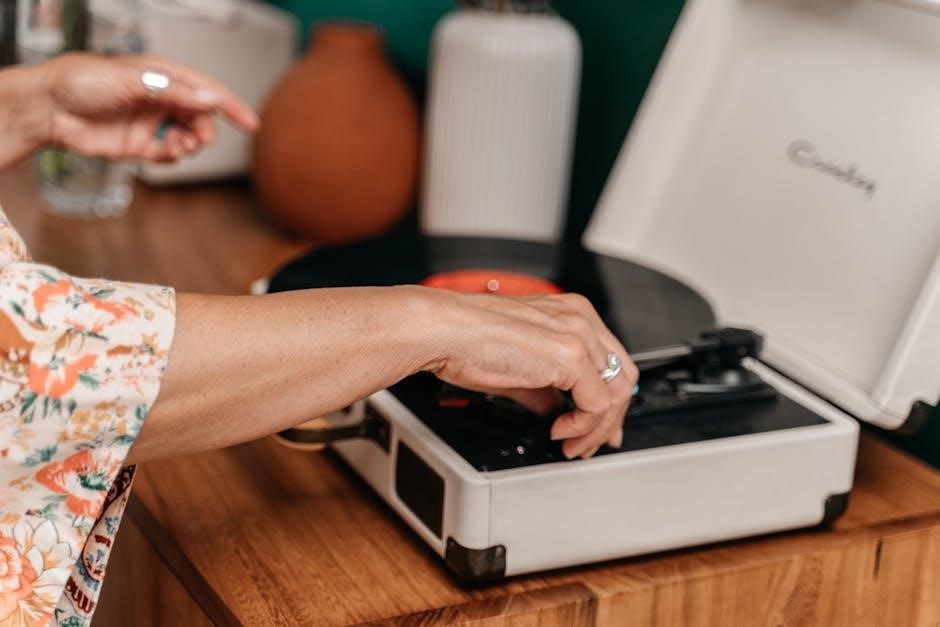
Current trends favor both convenience (Pro-Ject Automat A1, Sony PS-LX310BT) and audiophile-grade performance (high-end manual models), catering to diverse listening preferences.
Popular Automatic Turntable Models
As of late 2025, several automatic turntables consistently receive praise for their blend of convenience and performance. The Pro-Ject Automat A1 stands out, offering a fully automatic operation with a focus on sound quality, appealing to those seeking ease of use without significant compromise. Sony’s PS-LX310BT remains a popular choice, particularly for its built-in Bluetooth connectivity and affordability, making it ideal for casual listeners.
Vintage enthusiasts often gravitate towards older Technics and Denon models, like the Sony PS-LX2, lauded for their quiet operation and robust build quality. These classic turntables demonstrate enduring reliability and often deliver exceptional sound, proving that automatic doesn’t necessarily equate to inferior audio. These models provide a compelling entry point into vinyl playback, minimizing user intervention while maximizing enjoyment.
Popular Manual Turntable Models
For audiophiles prioritizing control and sound quality, several manual turntables consistently rank highly. High-performance options dominate this segment, requiring user operation of the cueing lever and tonearm. Brands like Rega, known for their minimalist designs and exceptional sonic performance, are frequently recommended. The Dual CS 429, while capable of automatic function, is often used manually by enthusiasts appreciating its build and sound.
Entry-level manual turntables, such as those from Audio-Technica, offer a more affordable pathway into the world of vinyl. These models provide a solid foundation for building a quality listening setup. The appeal lies in the direct connection between the listener and the playback process, fostering a deeper engagement with the music and the ritual of vinyl.
Which Turntable is Right for You?
The choice between automatic and manual turntables hinges on your lifestyle and priorities. If convenience and uninterrupted listening are paramount, a fully automatic model like the Sony PS-LX310BT or a Technics classic is ideal. These offer ease of use and stylus protection.
However, if you crave precise control and potentially superior sound quality, a manual turntable is the way to go. Be prepared for the hands-on experience of cueing and lifting the tonearm. Consider your clumsiness level – automatic tables mitigate stylus damage risk. Ultimately, the “right” turntable is the one that best fits your needs and enhances your enjoyment of vinyl!