

Navigating common issues with your pellet stove ensures efficient heating and safety; this guide offers solutions for problems ranging from startup failures to poor heat output.
Understanding Common Pellet Stove Issues
Pellet stoves, while efficient, can experience various problems, often stemming from fuel quality, airflow restrictions, or component malfunctions. Common issues include startup failures, unexpected shutdowns, reduced heat output, excessive smoke, and clinker formation within the burn pot. These frequently arise from dirty units, incorrect air intake settings, or blocked vent pipes. Addressing these promptly prevents further damage and maintains optimal performance. Regular maintenance and understanding these potential problems are key to reliable operation.
Safety First: Precautions Before Troubleshooting
Before attempting any pellet stove repairs, always disconnect the power supply to prevent electrical shock. Allow the stove to cool completely to avoid burns. Never work on a stove while it’s hot or actively burning. Ensure adequate ventilation during cleaning and inspection; Be mindful of potential carbon monoxide buildup; have a detector installed. If unsure about any repair, consult a qualified technician for assistance and prioritize safety.
Problem: Pellet Stove Won’t Start
If your pellet stove fails to ignite, begin by checking the power supply and ensuring it’s securely connected. Next, verify sufficient pellets are present in the hopper; an empty hopper prevents operation. Inspect the hopper lid switch – it must be engaged for the stove to function. A faulty switch will halt startup. These initial checks address common reasons for a no-start condition.

Check the Power Supply
Begin by confirming the pellet stove is plugged into a working electrical outlet. Test the outlet with another device to rule out a broader electrical issue. Examine the circuit breaker dedicated to the stove; a tripped breaker will prevent power delivery. Reset the breaker if necessary. Ensure the power cord isn’t damaged or frayed, posing a safety hazard.
Verify Pellet Level in Hopper
Insufficient pellets are a frequent cause of startup problems. Open the hopper lid and visually inspect the pellet level; it should be adequately filled to allow the auger to consistently feed fuel. Low levels can happen quickly during extended use. Ensure pellets aren’t bridged or compacted, hindering flow. A full hopper guarantees reliable operation.

Inspect the Hopper Lid Switch
The hopper lid switch is a crucial safety feature preventing operation when the lid is open. Verify the switch is fully engaged when the lid is closed; a loose or faulty switch will prevent startup. Carefully examine the switch for damage or debris. If suspect, consult your stove’s manual for testing procedures or consider replacement—a simple fix for a common issue.
Problem: Pellet Stove Starts But Shuts Off
Unexpected shutdowns indicate underlying issues needing attention. Common culprits include overheating due to restricted airflow, often resolved by cleaning air passages. Malfunctioning safety sensors, designed to protect the unit, can also trigger shutdowns. Investigate potential airflow blockages and ensure proper ventilation. Addressing these factors will restore consistent operation and prevent premature cycling.
Overheating Issues & Airflow
Overheating often stems from inadequate airflow, preventing proper heat dissipation. Cleaning the stove’s air passages is crucial, ensuring cool air circulates around components. Blocked vents or a buildup of ash restrict airflow, contributing to the problem. Regularly inspect and clear these pathways to maintain optimal temperature regulation and prevent shutdowns caused by excessive heat buildup within the system.
Malfunctioning Safety Sensors
Unexpected shutdowns frequently indicate a faulty safety sensor. These sensors monitor critical parameters like temperature and negative pressure, halting operation if thresholds are exceeded. A malfunctioning vacuum pressure switch, detecting insufficient draft, is a common culprit. Thoroughly inspect each sensor, checking for damage or loose connections. Replacement might be necessary if a sensor consistently triggers false shutdowns, ensuring safe and reliable operation.
Problem: Poor Heat Output
Reduced heating performance can stem from several factors. Low pellet quality, particularly high moisture content, hinders complete combustion. Ensure you’re using premium pellets stored properly. Adjusting the air-to-fuel ratio is crucial; too little air leads to incomplete burning, diminishing heat. Regularly clean the burn pot to remove ash buildup, optimizing combustion efficiency and maximizing your stove’s heating capacity.
Low Pellet Quality & Moisture Content
Subpar pellet quality significantly impacts heat output; high moisture content prevents efficient burning, creating more smoke and less warmth. Purchase high-quality pellets consistently, aiming for moisture levels below 20%. Improperly stored pellets absorb moisture, diminishing their heating value. Keep pellets dry, ideally on a pallet and covered, to maintain optimal combustion and ensure your stove delivers consistent, reliable heat.
Air-to-Fuel Ratio Adjustment
Optimizing the air-to-fuel ratio is crucial for complete combustion and maximizing heat. Insufficient air leads to incomplete burning and excessive smoke, while too much air reduces efficiency. Consult your stove’s manual for specific adjustment procedures. Carefully adjust the air intake settings, observing the flame for a bright, steady burn. Cleaning the burn pot alongside this adjustment ensures optimal performance and heat output.
Problem: Excessive Smoke
Excessive smoke from your pellet stove indicates incomplete combustion, posing potential hazards. Common causes include a blocked vent pipe restricting airflow or insufficient negative pressure. Ensure the stove and pipes are clean, verifying the vent opening is free of ash. Addressing these issues promptly improves efficiency and safety. A thorough inspection and cleaning are vital for resolving this problem effectively.
Blocked Vent Pipe
A blocked vent pipe severely restricts exhaust flow, leading to smoke buildup and potential carbon monoxide risks. Inspect the entire vent system, from the stove to the exterior termination, for obstructions like creosote, bird nests, or debris. Ensure proper clearances around the vent pipe to prevent flammable materials from accumulating. Regular cleaning and maintenance are crucial for preventing blockages and ensuring safe operation.

Incomplete Combustion – Burn Pot Cleaning
Incomplete combustion results in excessive smoke and reduced heating efficiency, often due to a dirty burn pot. Regularly clean the burn pot, removing ash and unburnt pellets to ensure proper airflow and complete fuel burning. A clean burn pot promotes optimal combustion, minimizing smoke and maximizing heat output. Ensure proper ventilation and pellet quality for efficient burning.

Problem: Clinkers in the Burn Pot
Clinkers, formed from melted and partially burned pellets, obstruct airflow and reduce stove efficiency. These ash-like clumps typically indicate a poor air mixture, often stemming from a neglected or dirty unit. Check and adjust the stove’s air intake settings, referencing the manual, to guarantee proper airflow for complete combustion. Regular cleaning is crucial to prevent clinker formation and maintain optimal performance.
Dirty Unit & Poor Air Mixture
Clinker formation is frequently linked to a dirty pellet stove and inadequate air mixture. Accumulated ash and debris restrict airflow, leading to incomplete combustion and the melting of pellets. Regular cleaning of the burn pot and internal components is essential. Ensure proper air intake by verifying settings and clearing any obstructions, promoting a complete burn and minimizing clinker buildup.
Incorrect Air Intake Settings
Improper air adjustments significantly contribute to clinker development within the burn pot. Insufficient airflow results in incomplete combustion, causing pellets to fuse together. Consult your stove’s manual to verify and adjust the air intake settings for optimal performance. Achieving the correct air-to-fuel ratio is crucial for a clean, efficient burn, preventing clinker formation and maximizing heat output.
Problem: Auger Issues – No Pellets Feeding
A failure in pellet delivery often stems from the auger system. Check the auger motor for functionality; a malfunction prevents pellet movement. Inspect the auger tube for blockages – compacted pellets or debris can halt the feed. Regularly verifying these components, alongside the hopper lid switch, ensures consistent fuel supply and maintains optimal stove operation, preventing frustrating interruptions to your heating.
Auger Motor Malfunction
If the auger motor isn’t turning, it’s a primary suspect when pellets aren’t feeding. Test the motor with a multimeter to confirm it’s receiving power; a lack of voltage indicates an electrical issue. A faulty motor requires replacement, ensuring proper pellet delivery. Before replacing, verify the control board is sending the correct signals, as this dictates motor operation and fuel flow.
Blocked Auger Tube
A blocked auger tube prevents pellets from reaching the burn pot, halting operation. Inspect the tube for obstructions like debris, frozen pellets, or damaged sections. Remove any blockages carefully, avoiding damage to the auger flighting. Ensure the tube is clear for unimpeded pellet flow. Regularly cleaning the auger system prevents future blockages and maintains consistent fuel delivery for optimal stove performance.
Problem: Vacuum Pressure Switch Problems
Vacuum pressure switch issues often signal insufficient negative pressure within the stove, triggering a shutdown. Check the switch and connecting lines for blockages – ash accumulation is a common culprit. Ensure proper venting and a clean vent pipe to establish adequate draft. Verify the opening is free of ash. Cleaning the switch and lines restores functionality, allowing safe and efficient operation;

Insufficient Negative Pressure
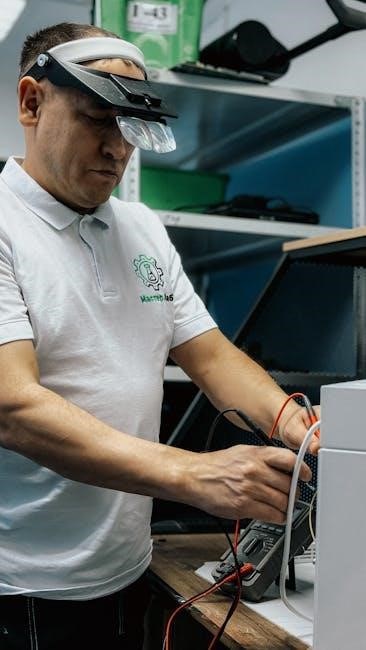
Insufficient negative pressure prevents proper combustion and activates the vacuum switch, halting the stove. Confirm the vent pipe isn’t blocked by debris or creosote buildup, restricting airflow; Inspect the stove’s exhaust system for leaks, diminishing draft. A blocked air intake can also contribute to this issue. Addressing these factors restores the necessary negative pressure for safe and efficient pellet stove operation.
Cleaning the Pressure Switch & Lines
A dirty pressure switch or blocked lines can falsely indicate insufficient draft, shutting down the stove. Carefully disconnect the lines and blow them clear with compressed air, removing any dust or debris. Gently clean the switch itself with a soft brush. Ensure all connections are secure after cleaning to maintain accurate pressure readings and reliable stove operation, preventing unnecessary shutdowns.
Problem: Flame Sensor Issues
A malfunctioning flame sensor prevents the stove from recognizing a lit flame, causing shutdowns. Start by cleaning the sensor with fine steel wool to remove soot buildup, ensuring proper contact. If cleaning fails, a faulty sensor requires replacement. Testing with a multimeter can confirm functionality before purchasing a new part, saving time and money. Proper flame detection is crucial for safe and consistent operation.
Dirty Flame Sensor

Soot accumulation on the flame sensor is a frequent cause of ignition and operational problems. A dirty sensor can’t accurately detect the flame, triggering safety shutdowns. Carefully clean the sensor using fine steel wool or a specialized sensor cleaning pad; avoid abrasive cleaners. Ensure the sensor is completely dry before reinstalling, restoring reliable flame detection and consistent stove performance.
Faulty Flame Sensor Replacement
If cleaning fails to restore proper function, a faulty flame sensor requires replacement. Disconnect power before removal, noting the sensor’s wiring configuration. Obtain a compatible replacement sensor from the manufacturer or a reputable supplier. Install the new sensor, carefully reconnecting the wires. Test the stove to confirm reliable ignition and operation, ensuring safety and consistent heating performance.
Regular Maintenance for Prevention
Proactive maintenance is crucial for a reliable pellet stove. Establish a cleaning schedule, focusing on the burn pot, heat exchanger, and vent pipe. Use high-quality pellets with low moisture content, storing them in a dry location. Regularly inspect and clean the stove’s components, preventing clinker buildup and ensuring optimal airflow for efficient, trouble-free operation throughout the heating season.
Cleaning Schedule – Frequency & Areas
Daily attention includes emptying the ash pan. Weekly tasks involve cleaning the glass door and burn pot. Monthly cleaning should focus on the heat exchanger, removing ash and debris to maintain efficiency. Annual deep cleaning requires inspecting and cleaning the vent pipe, ensuring it’s free of obstructions. Consistent cleaning prevents clinker formation and ensures proper airflow.
Pellet Quality & Storage
Utilize high-quality pellets with low moisture content for complete combustion and reduced clinker formation. Store pellets in a dry, well-ventilated area, protected from rain and snow to prevent moisture absorption. Avoid direct contact with the ground, using pallets for elevation. Poor pellet quality leads to incomplete burning and increased maintenance needs, impacting stove performance.
Advanced Troubleshooting – When to Call a Professional
Complex electrical component issues, such as control board failures or wiring problems, require a qualified technician’s expertise. Intricate sensor malfunctions beyond simple cleaning or replacement necessitate professional diagnosis. Don’t attempt repairs if you’re uncomfortable or lack the necessary skills; safety is paramount. Seek professional help for persistent issues to avoid further damage or hazards.
Electrical Component Issues
Diagnosing electrical faults demands caution; a malfunctioning control board, wiring, or power supply can be hazardous. Never attempt repairs without disconnecting power. Professional assessment is crucial for identifying short circuits or component failures. Complex electrical problems often require specialized tools and knowledge. Prioritize safety and consult a qualified technician to prevent fire risks or further damage.
Complex Sensor Problems
Intermittent sensor readings or complete failures necessitate professional diagnosis; issues with the flame sensor, vacuum switch, or temperature sensors can be tricky. Accurate calibration and testing require specialized equipment. Faulty sensors can trigger shutdowns or inefficient operation. Don’t replace sensors haphazardly; proper testing confirms the issue. A technician can pinpoint the root cause and ensure safe, effective repairs.
Resources & Further Information
Consult your pellet stove’s manual for specific troubleshooting steps and safety guidelines; manufacturer websites often provide detailed FAQs and support. Online forums dedicated to pellet stoves offer valuable insights from experienced users. Local certified technicians provide expert repair services. Remember, safety is paramount; when in doubt, seek professional assistance. Regular maintenance prevents issues, extending your stove’s lifespan.